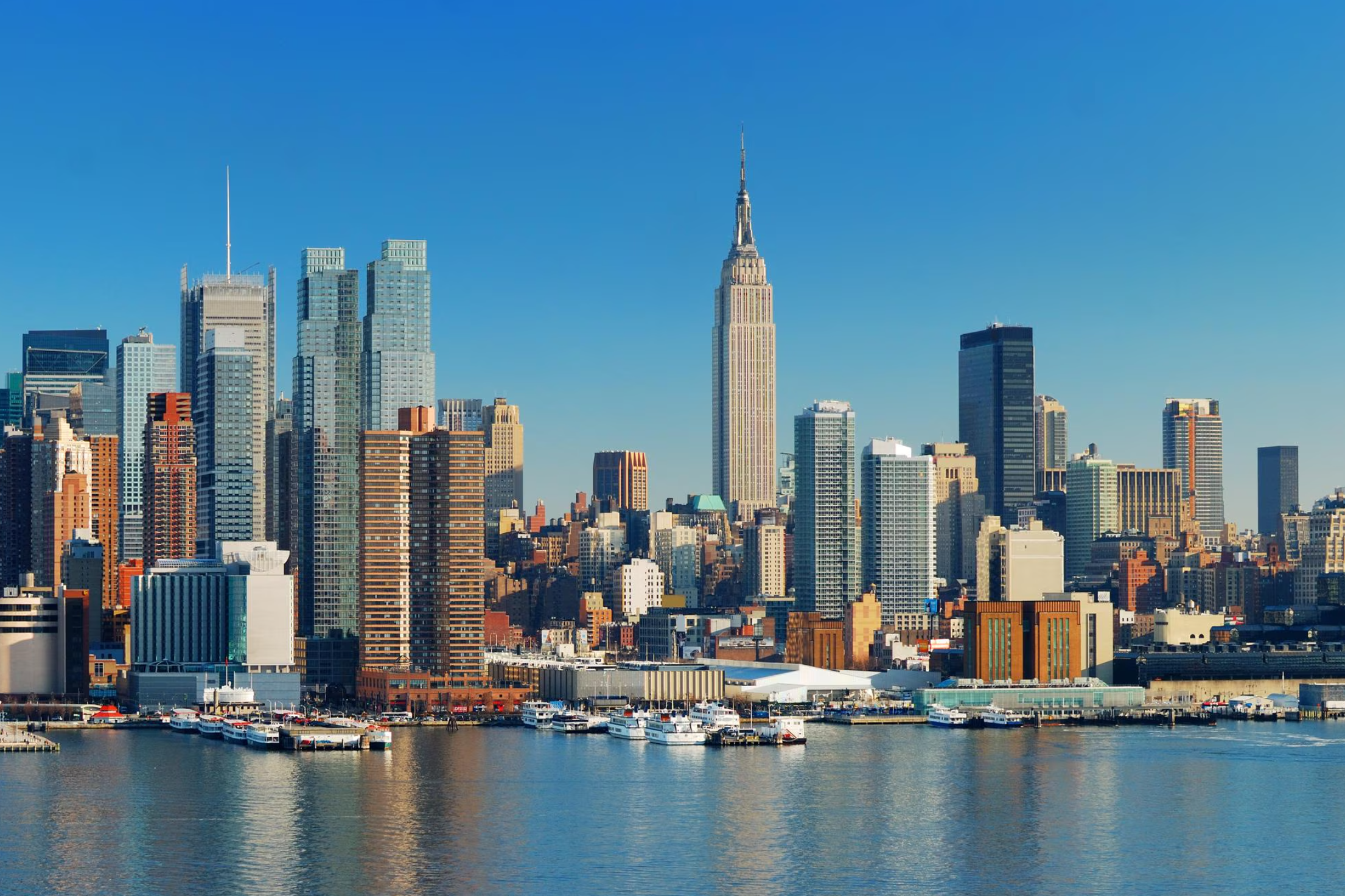
The US Speaking Landscape
The United States is the world's largest conference market. From massive Las Vegas trade shows to intimate Silicon Valley gatherings, the US offers more speaking opportunities than any other country. For speakers—whether based in the US or internationally—mastering this market opens doors to the biggest stages and audiences.
Why speak in the US?
- Scale: The largest conferences, biggest budgets, and most attendees
- Global influence: US conference talks get shared and referenced worldwide
- Industry leadership: Many sectors are defined by their US conferences
- Diverse opportunities: Events for every niche, size, and budget
- Career impact: Speaking at top US events builds international credibility
Key conference hubs
- Las Vegas: Trade shows and mega-conferences (CES, AWS re:Invent, Money 20/20)
- San Francisco / Bay Area: Tech and startup events (TechCrunch Disrupt, Dreamforce)
- New York: Finance, media, and marketing (Advertising Week, NRF)
- Austin: SXSW and growing tech scene
- Miami: Emerging tech hub, Latin America gateway
- Chicago: Central location, strong B2B scene
- Boston: Healthcare, biotech, education
Major US Conferences by Sector
Technology & SaaS
| Event | Focus | Size | Location |
|---|---|---|---|
| AWS re:Invent | Cloud / AWS | 50,000+ | Las Vegas |
| Dreamforce | Salesforce ecosystem | 40,000+ | San Francisco |
| Google Cloud Next | Cloud / GCP | 30,000+ | San Francisco |
| Microsoft Ignite | Microsoft ecosystem | 25,000+ | Various |
| SaaStr Annual | SaaS | 15,000+ | Bay Area |
| TechCrunch Disrupt | Startups | 10,000+ | San Francisco |
Marketing & Advertising
| Event | Focus | Size | Location |
|---|---|---|---|
| HubSpot INBOUND | Inbound marketing | 25,000+ | Boston |
| Content Marketing World | Content marketing | 4,000+ | Cleveland/DC |
| Advertising Week | Advertising | 30,000+ | New York |
| Social Media Marketing World | Social media | 5,000+ | San Diego |
| MozCon | SEO | 1,500+ | Seattle |
Trade Shows & Industry Events
| Event | Focus | Size | Location |
|---|---|---|---|
| CES | Consumer electronics | 100,000+ | Las Vegas |
| NRF Big Show | Retail | 40,000+ | New York |
| SXSW | Tech/music/film | 70,000+ | Austin |
| NAB Show | Broadcasting | 90,000+ | Las Vegas |
| HIMSS | Health IT | 45,000+ | Various |
Breaking Into the US Speaking Circuit
The US speaker ecosystem
The US market is competitive but meritocratic. Key characteristics:
- Results-oriented: What have you achieved? Numbers and outcomes matter
- Content-driven: Your online presence (content, social, video) is your resume
- Networking-heavy: Relationships still open doors
- Professionalized: Speaker bureaus, speaker coaches, and polished presentations are common
For international speakers
Breaking into the US from abroad:
- Start with global events: Speak at US-based conferences held internationally first
- Leverage time zones: Virtual events have opened US stages to global speakers
- Build US-relevant content: Case studies and examples that resonate with US audiences
- Partner with US-based collaborators: Co-present or get referrals from US speakers
Where to find US CFPs
- Sessionize: Many US conferences use this platform
- Papercall: Popular with tech conferences
- Conference websites: Larger events manage their own applications
- Twitter/X: Search #CFP and follow conference accounts
Regional Differences in the US
West Coast (California, Pacific Northwest)
- Tech and startup focused
- Casual presentation style accepted
- Innovation and disruption themes popular
- Diversity and inclusion emphasized
East Coast (New York, Boston, DC)
- Finance, media, healthcare, government
- More formal presentation expectations
- Data and research-backed content valued
- Networking and relationship building important
Central US (Chicago, Austin, Denver)
- Growing tech scenes
- Practical, no-nonsense content preferred
- Often more accessible than coastal events
- Strong local business communities
South (Miami, Atlanta)
- Emerging tech hubs
- Latin America and Caribbean connections
- Fintech, crypto, and international business
Practical Considerations
Travel and logistics
- Visa requirements: International speakers may need B-1 business visas
- Travel costs: Many US conferences don't cover speaker travel
- Time zones: Plan for jet lag if traveling across multiple zones
- Domestic flights: Budget extra time—US airport security takes time
Speaking fees
The US speaker fee market varies wildly:
- Community/tech conferences: Often $0 (you pay your way)
- Corporate conferences: $2,000-$20,000+ depending on profile
- Keynotes at major events: $10,000-$100,000+ for top speakers
- Virtual events: Generally lower than in-person
US audience expectations
- Energy: American audiences expect enthusiasm and confidence
- Stories: Narrative-driven presentations work well
- Interactivity: Engagement techniques appreciated
- Actionable: "What do I do with this?" is the key question
Lead Capture at US Events
US audiences and lead capture
Americans are generally comfortable with lead capture at business events. The market is accustomed to QR codes, form submissions, and follow-up emails.
What works
- Clear value exchange: Slides, templates, guides—make it worth their info
- Simple forms: Email + first name is often sufficient
- Quick follow-up: Americans expect fast responses
- CRM integration: Most US companies use sophisticated marketing automation
Compliance considerations
- CAN-SPAM requirements for email marketing
- California has CCPA (similar to GDPR) affecting California residents
- Always include unsubscribe options
Frequently Asked Questions
Do I need a visa to speak at US conferences?
If you're not a US citizen or permanent resident, you typically need a B-1 business visa for speaking engagements. Some nationalities can use the ESTA/Visa Waiver Program for unpaid speaking, but paid engagements usually require B-1. Consult immigration guidance for your specific situation.
How competitive are US conference CFPs?
Very competitive at top events. Major conferences like AWS re:Invent or SaaStr receive thousands of applications for limited slots. Acceptance rates of 5-15% are common. Differentiate with specific results, unique perspectives, and polished proposals.
Should I use a speaker bureau?
Speaker bureaus can help once you're established and commanding fees of $5,000+. For building your speaking career, focus on applying directly to CFPs and building your reputation. Bureaus find you once you've proven your value.
What's the best way to build a US speaking career from scratch?
Start with local meetups, webinars, and podcasts. Build a content portfolio (blog posts, videos, social media). Apply to mid-tier conferences that are more accessible. Get testimonials and recordings from every talk. Network with other speakers and conference organisers. The path is content → small stages → bigger stages.
Want More Insights?
Subscribe to get proven lead generation strategies delivered to your inbox.
Subscribe to Newsletter